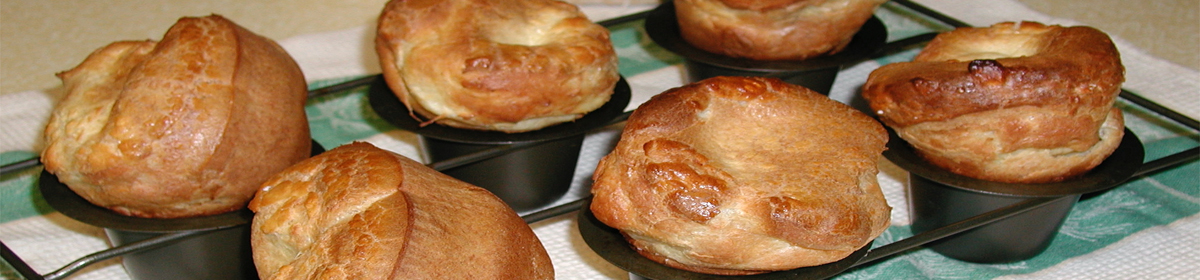
My mother used many different liquids to make bread. Water of course, but also potato water she saved when she boiled potatoes, milk, sour milk and buttermilk. Each of them changed the texture and flavor of the breads, but we devoured them all. For us, bread really was the staff of life. I think that we had bread for every meal except those when we had pancakes or waffles.
If we exclude the cinnamon rolls and sticky buns that she made with egg batter doughs, my favorite breads were the ones she made with sour milk or buttermilk.
Buttermilk adds a subtle flavor to bread and I like the texture. This has become my “basic” white bread recipe, at least when buttermilk is available. Whenever possible I like to use hard wheat bread flour, but the recipe works with all purpose flour as well.
INGREDIENTS:
2 cups buttermilk
1 package or 2 heaping tsp. active dry yeast
2/3 cup water
2 T butter
2 T sugar
1 1/2 tsp. salt
5 to 6 cups white flour
PROCEDURE:
Put 2/3 cup warm water (90º to 110º) in a cup with 1/4 teaspoon sugar and stir in the yeast. While the yeast is proofing, warm the buttermilk to about 110 degrees and pour it into a large bowl. Stir in the salt and sugar. Melt the butter and add it to the buttermilk.
Stir in the flour one cup at a time, beating thoroughly between additions. After three cups of flour have been stirred in, mix in the yeast. Continue adding flour one cup at a time until the dough becomes stiff and begins to pull away from the sides of the bowl.
Let the dough rest in the bowl for five minutes, then scrape it out on to a well floured work surface with a spatula and use the spatula to turn the dough to coat it with flour before starting to knead it. Powder your hands with flour, and knead the dough until it is smooth and satiny, about seven to eight minutes.
If you have never kneaded dough, you should check out Wikihow.com for an excellent lesson on kneading or go to Thekitchn.com for a good video showing you how to do it. Actually, doing both is a good idea.
Return the dough to a greased bowl, roll it to cover the surface lightly with grease, and cover the bowl with a damp towel. Let the dough rise until it has doubled in bulk. Punch it down and knead it on a lightly floured work surface five or six strokes, then divide the dough into two parts. Form the halves into loaves and put them into greased 9 x 5 inch pans.
Cover the pans with the damp cloth and set them in a warm draft-free place to let the loaves rise. Preheat the oven to 375º once the loaves have started rising.
When the the dough has risen to slightly above the top of the pans, put them on the center shelf in the oven. After 10 minutes, reduce the heat to 350º and bake 25 to 30 minutes longer.
After 25 minutes, remove the loaves from the pans and tap on the bottom of the loaves. They are done when they sound hollow. Bake an extra five minutes or so on the oven rack if necessary.
Remove the loaves from the oven and cool them on a rack. Slice with a serrated knife and serve with butter, jam or whatever!
NOTES: If there is no buttermilk in the house, make sour milk with two tablespoons vinegar and enough milk to make two cups. Mom greased her bread bowls with lard, vegetable shortening, butter, oleomargarine or even bacon grease. They all work, though you may notice slight differences in flavor.
 Courage in the Kitchen