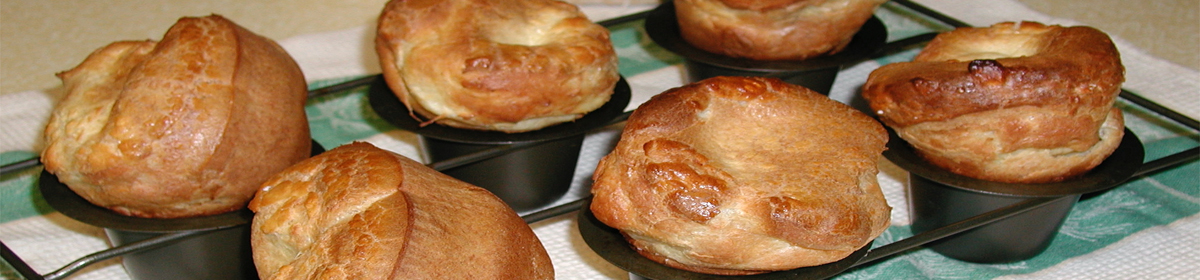
Rich’s Dropped Scones

I ate my first scone in either Oxford or Cambridge, England, with a cup of tea like a proper English gentleman. It was the summer of 1966, and I was enjoying a short vacation after my year of studies in Germany. Jerri and her friend Marilyn met me in London, and we spent time together in London, Oxford and Cambridge.

The Bodleian Library at Oxford and the University Library at Cambridge let me use their rare book rooms for a day while Jerri and Marilyn toured the cities. I think it fair to say that we liked Cambridge better than Oxford. Cambridge had more green space, which appealed to us midwesterners. We ate picnic lunches in the shade on the green and watched the crews practice on the Cam.

We thought that it was quaintly English to have horses grazing freely on the green among students and visitors until a large brown animal grabbed Jerri’s lunch bag and proceeded to eat her banana. Jerri was not the only victim. We learned from other picnickers with mangled lunch bags that the horses also liked apples and oranges.

I am not certain how the horses opened the lunch bags. I think that they just grabbed the bags in their big horsey teeth and smashed them on the ground until they found whatever it was that smelled good. A student explained that the horses would not take the bag from your hands, so our sandwiches survived our second day on the green as we traded stares with several hungry horses trying to catch us off guard.

Cambridge sticks in my memory for another reason. Finding a place to stay was a challenge. All the hotels were full, but the tourist information office helped us locate a room in a private bed and breakfast. I was traveling with two attractive young women, and our landlady, Mrs. Chillingsworth, almost refused to rent to the three of us. She looked like a character from a Dickens novel with a cold, suspicious eye and clearly suspected that we were hippies planning an orgy. We pleaded, and she finally relented after I promised to sleep on the floor.

The ladies went to bed. I went out to a pub filled with students who welcomed their “cousin” from the “colonies” and approved of my taste for two pints of bitter before I walked back to Mrs. Chillingsworth’s where I collapsed on the carpet.

Every afternoon we had tea and scones. The tea was strong, the cream was real and the scones were delicious. In the past fifty years, scones have become popular around the world. You can even buy them in New Richmond. A search on the Internet for “scone recipes” brings up over 100,000 pages, which tells me that lots of people are also making these biscuits or cakes at home today.

Our friend Rich likes them and decided he would make his own. He took ideas from several recipes he found on the Web to come up with his version. He uses 2% milk instead of cream to make a soft dough, adds dried cherries and drops the dough on a cookie sheet as if he were making dropped baking powder biscuits. His scones are tender and delicious. Here is how to make them.

INGREDIENTS:

2 cups all-purpose flour
1 T baking powder
1/2 tsp. salt
1/2 cup (8 T) unsalted butter
1/3 cup sugar
2/3 cup milk
1/3 cup dried cherries

PROCEDURE:

Preheat the oven to 400º. Blend the flour, baking powder and salt in a large mixing bowl. Chop the butter into small pieces and mix them with the flour. Use a pastry blender or your fingers to cut the butter into the flour until it looks like coarse cornmeal.

Use a fork to blend the sugar with the flour and then stir in the milk until you have a stiff dough. Fold in the cherries. Be careful not to stir the dough too much.

Using a tablespoon and fork, drop eight or nine globs of dough on an ungreased cookie sheet. Shape the globs if necessary so they look nice to you. Sprinkle the scones with a little sugar and bake them about fifteen minutes or until they turn lightly brown.

NOTES: If you are using salted butter, use only a quarter teaspoon of salt. You can substitute currants, dried cranberries or raisins for the dried cherries but I strongly recommend the cherries. Rich uses 2% milk while I use 1%, but both make scones that are tender and delicious.

Wild Blackberry Jam

The wild blackberries are small this summer. At least the ones I picked seemed tiny compared to the huge ones I picked as a kid. Those berries were almost as long as my little finger. Of course, my little fingers were also a lot smaller than they are today, so my memory might be colored by that fact. But small or large, wild blackberries make delicious jam.

If you want to make some of your own, start in late July by looking for blackberry patches on friends’ properties or along roads and hiking trails in the county, state and national forests of northern Wisconsin. Having identified some locations with good crops of unripe berries, you can go directly to those places in mid-August to harvest those luscious fruits before other hungry berry pickers beat you to them.

We are lucky to have blackberry patches close to our cabin. We are less fortunate to have competition from large black creatures with thick hairy coats that protect them from blackberry thorns. Bears survive because they are expert food scroungers. They have a sense of smell seven times better than a dog, which makes it possible for them to know when blackberries are ripe just by walking through the woods. Ripe blackberries have a wonderful fragrance you can smell when you hold a handful up to your nose. Bears can smell ripe blackberries a half mile away.

Bears have good memories too, especially for food. They return regularly to locations where they found good sources of food in the past. When they visit one of their favorite blackberry patches in July and find a good crop of green berries, you can bet that they won’t forget to be back in August when the smell of ripe blackberries tells them it is time for dinner.

You can always tell when a bear has been picking blackberries in a patch, because a bear tramples a nice wide path through the canes. These paths are handy for human berry pickers who are less tolerant of the thorns. Many’s the time I have thanked “Mr. Bear” (that’s what Dad always called bears) for making it easy for me to get to the center of a patch where the biggest berries are usually found. Even though “Mr. Bear” had eaten his fill, there were always enough left for me.

Picking blackberries is a relatively easy job, if you take some precautions against the thorns. Good walking shoes, long pants and and long-sleeved shirts are a must. One friend says he wears a leather glove on this left hand to hold or push canes out of the way while he picks with his right. I just resign myself to a few pokes and scratches.

Most blackberries grow at waist height, so you don’t have to bend over or crouch the way you do when picking blueberries or strawberries. Blackberries also don’t compact as much as raspberries, so your pail fills pretty quickly if you’re in a a good patch. Once you have eight or nine cups of berries in your pail, you have the essential ingredient for blackberry jam. The ingredients below will make nine to ten cups.

INGREDIENTS:

5 to 6 cups crushed blackberries
1 cup cold water
7 cups sugar
2 T lemon juice
1 pouch CERTO
Paraffin wax to seal the jars

PROCEDURE:

Start by washing and sterilizing enough jars to hold ten cups of jam. You may not need the tenth jar, but it is a lot easier to dry it and put it away than to try washing and sterilizing an extra jar while your jam is jelling in the pot. I sterilize the jars by placing them upside down in a baking pan and adding an inch of water. When the pan comes to a boil, turn off the heat.

Wash and clean the berries, removing any leaves, stems and other foreign items such as occasional insects. The best way to do this is to clean the kitchen sink thoroughly, pour in the berries and cover them with water. Then rinse small handfuls under a trickle of water from the faucet and put the clean berries in a colander to drain.

Put the drained berries in a pan or bowl and crush them with a potato masher. Measure five cups into a Dutch oven or soup pot, add a cup of cold water and bring the pot to a boil, stirring often. Reduce the heat and simmer the berries for five or six minutes, again stirring often. I use the potato masher to stir and continue crushing the berries while they simmer.

Measure seven cups of sugar into a mixing bowl and set it aside.

Remove the pot from the heat and measure two cups of juice and berries into a small bowl. Strain the rest of the liquid through a cloth in a colander over a bowl and rinse out the pot. Put the two cups of mashed berries and juice into the pot and add two cups of strained juice to the berry mixture. If you have a little juice left over, you can add it to the pot without danger. Don’t add more than two extra tablespoons of juice, however, or the jam might not jell properly.

Stir in the sugar and lemon juice and bring the pot to a boil. While the juice and berries are heating, open a pouch of CERTO per instructions on the package and set it near the pot.

When the pot reaches a rolling boil (a boil that can’t be stirred down completely), stir it constantly while it boils for a minute. Then stir in the CERTO and bring the pot back to a rolling boil. Boil the jam for one minute, then remove the pot from the heat.

Skim excess foam, if necessary, and stir the jam for two or three minutes to help ensure that the crushed berries don’t all rise to the tops of the jars.

After you have removed the jam from the heat, transfer the jars from the pan of water and allow them to drain briefly on a rack, then stand them upright on waxed paper.

While you are stirring the jam, melt some paraffin in a small sauce pan on a burner under very low heat. Be careful not to heat the paraffin more than just to melt it. Using a dipper and a funnel, fill the hot jars, leaving one third to a half inch head space. If necessary, use a piece of moistened paper towel to remove any dribbled jam from the inside of the tops of the jars.

Use a tablespoon to put a thin layer of melted paraffin on top of the jam in each jar and allow the jam to cool without moving it. After the jam is well cooled, add a second thin layer of paraffin.

Close the tops of the jars with screw caps or plastic wrap tied in place.