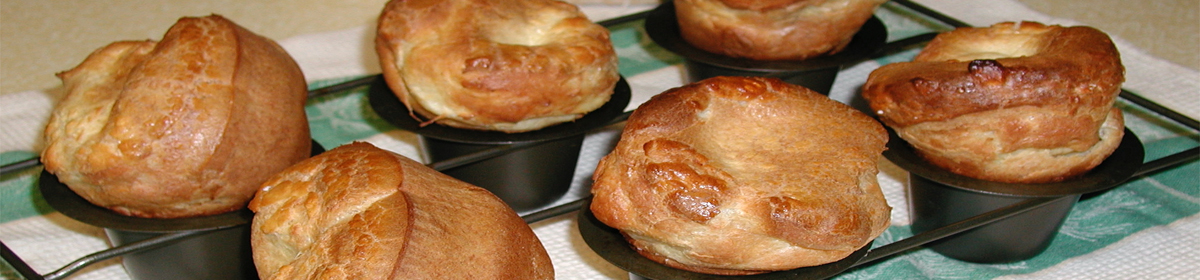
Mrs. Komula’s Kropsu (Finnish Pancake)

Bill Komula’s grandfather, John Komula, homesteaded some nice clear land near Brantwood, Wisconsin in 1899. It looked pretty clear because loggers had cut the trees; unfortunately, they had left the rocks behind. John had emigrated from Sotkamo, a city in Eastern Finland, which shares many features with northern Wisconsin: Lakes, trees, rivers and rocks.

Both Finland and Wisconsin were once covered by glaciers which, when they melted, left plenty of rocks scattered over the landscape. Some places in Wisconsin have good soil with only a few rocks to keep a farmer alert, but near Brantwood picking rocks was a regular spring activity.

“It was a rock farm,” Bill told me. “Picking rocks and shocking oats were my least favorite jobs.” I understood, for I had picked rocks and piled them on the stone boat at our neighbor’s farm when I was a boy. At least I was getting paid twenty-five cents a day for helping.

Bill’s reward was plenty of good Finnish food and learning Finnish from his grandfather. Bill’s grandmother had died when he was two weeks old, and John had given the farm to Bill’s father with the understanding that John would stay and help out. The old man spoke his native language as he and his grandson worked together. I wonder if Bill’s grandfather ever taught him the Finnish proverb that inspired so many immigrant farmers, “Oma tupa, oma lupa,” which means “One’s own home, one’s own master,” as they wrestled the rocks onto the sledge.

Since Bill’s mother had emigrated with her family from Kauhava, Finland, it is easy to understand why his first language was Finnish. Though he doesn’t speak it regularly here, when he and his wife Betty visited Sotkomo and Kauhava, people kept telling him that he didn’t have an American accent, and some people they visited in Helsinki recognized his accent as coming from Sotkomo.

Betty told me that she “didn’t have a drop of Scandinavian blood” in her ancestry, but she paid attention when her Finnish mother-in-law taught her how to make kropsu, the national baked pancake of Finland. She wrote the recipe neatly on a card and made notes on it as she cooked what became one of her family’s favorite treats. I’m sure that new daughters-in-law are still preserving family recipes as Betty did, though they may be typing them into apps on their smartphones or iPads.

Bill says that Betty learned to make kropsu just his like mother’s, so you can enjoy an authentic Finnish baked pancake in your home just by following Mrs. Komula’s recipe.

INGREDIENTS:

2 large eggs
2 cups milk
1 cup all-purpose flour
1 tsp. salt
1/4 cup unsalted butter

PROCEDURE:

Preheat the oven to 400º and put the butter in an 8 x 12 x 2 or 9 x 13 x 2 inch baking pan.

Break the eggs into a mixing bowl and beat them with a fork until they are lemon colored. Stir or sift the salt into the flour. Stir in a quarter cup of the flour mixture and two thirds cup of milk. Repeat until all the flour and milk have been stirred in. Put the pan in the oven to melt the butter and heat the pan.

Take the hot pan out of the oven. Make sure that the bottom of the pan is covered with butter. Stir most of the butter from the pan into the batter just enough to mix everything together. Pour the batter into the sizzling hot pan and bake the pancake for forty minutes.

Cut the hot kropsu into squares and serve with your favorite pancake toppings.

NOTES: Betty said that she made two pans of kropsu for breakfast, which was just enough for Bill, her and their three kids. Bill’s mother served it with maple syrup, and that’s how Betty serves it.

She told me that her mother-in-law said that the secret of success was “having a thin batter, beating only enough to mix the batter and having a very hot pan to bake it in.”

If you use regular butter, reduce the amount of salt to three-fourths teaspoon.

A note on pronunciation: If I heard Bill right, “kropsu” is pronounced “krrrupsuh” rather than “cropsue.” It’s a good word to practice rolling your “r’s” on.

Wild Plum Jelly

Across the small field that had originally been his grandparents’ kitchen garden when my father was a boy was a thicket of wild plums. Our home was on the southwest forty of my great-grandparents’ farm, which had been sold off piecemeal after their deaths. The homestead was three blocks away from our house and belonged to Mr. and Mrs. Hagberg.

I mowed their lawn and occasionally brought them some trout or northerns that I caught in the Namekagon river which flowed past their house. They paid me a quarter to mow the lawn, but I never took any money for the fish. They were happy to share the plums with us.

My sisters and I picked plums there every fall. They were a joy to pick. It wasn’t hot, there were no biting bugs, it didn’t take very long to fill a pail, and you could stand up while you picked. Wild plums do have some thorns, but they aren’t very sharp and each branch has only a few of them. Believe me, plum thorns are a lot less dangerous than blackberry briars.

We would bring home two or three gallons of plums that Mom would turn into jelly. When I was growing up, I don’t remember ever tasting “store-bought” jam or jelly at home. Mom made jams mostly from blueberries, raspberries and blackberries; she used pin cherries, chokecherries, apples, crabapples and plums to make jelly.

Plums have a lot of juicy flesh that makes it easy to get the juice you need, and the juice makes a beautiful rosy jelly that is a joy to serve and eat.

INGREDIENTS:

5 1/2 cups plum juice
1/2 tsp. butter
6 1/2 cups sugar
1 box Sure-Jell fruit pectin

PROCEDURE

Wash a gallon of plums and remove any stems, leaves or split fruit. Put the plums in an eight to ten quart pot and add four cups of water. Cover the pot and bring it to a boil. Reduce the heat and simmer the plums, stirring occasionally, for twenty to thirty minutes. Most of the plums will burst open to release their juice. Turn off the heat. Stir well but do not try to mash the fruit.

Line a colander with several layers of cheesecloth or a dish towel. Put the colander in a large bowl and spoon the fruit and juice into the colander. When the liquid draining through the cloth layers reaches the bottom of the colander, pour the juice into another bowl and continue adding more plum mixture to the colander until you have emptied the pot.

You can stir the fruit in the colander but do not squeeze the cloth unless you want a very cloudy jelly. You should end up with at least five and a half cups of juice. If you need more juice, return the fruit mixture from the colander to the pot, add a cup of water and bring the mixture to a boil. Simmer for a minute or two over low heat, stirring constantly, and then spoon the mixture back into the cloth-lined colander.

You can use the juice immediately to make jelly or store it in the refrigerator for a day or two or even freeze it and make the jelly months later.

Making plum jelly is a snap. Start by sterilizing nine one cup jelly jars and lids. The easiest way to do this is to put the washed jars upside down in a baking pan on the stove top. Add about three-quarters of an inch of water and bring it to a boil. Continue boiling for three or four minutes, then turn off the heat and allow the jars to stand in the hot water for another five minutes. Transfer the jars from the water to a rack and allow them to drip for a few minutes. Stand them upright on wax paper when you are ready to fill them.

Measure the sugar into a bowl and set it aside. Put the juice, butter and Sure-Jell into a soup pot or Dutch oven, set it over medium heat and bring the mixture to a boil. Boil for a minute or two, reduce the heat to a low boil and skim off the foam Stir in the sugar and keep stirring until all the sugar is dissolved. Raise the heat to high and bring the mixture to a full boil that you can’t stir down. Reduce the heat slightly and keep the liquid boiling hard for four minutes.

Remove the pot from the heat and skim off any foam. Fill the jars and seal them with paraffin or canning lids if you are going to preserve your jelly with a hot water bath. If you are using paraffin, add a second thin layer of wax after the jars are cool.

NOTES: Plums contain quite a lot of pectin, so if you have more than five and a half cups of juice, feel free to use up to six cups, but remember to sterilize an extra jar if you do.

A breeze or shower can knock plums to the ground when they are nearly ripe. They will continue to ripen on the ground with no damage, and you can safely harvest fallen plums. Just make sure that you wash the fruit well before you extract the juice.

If you need to extract a bit more juice, it is a good idea to rinse your straining cloth well before spooning the reheated mixture back into the colander.