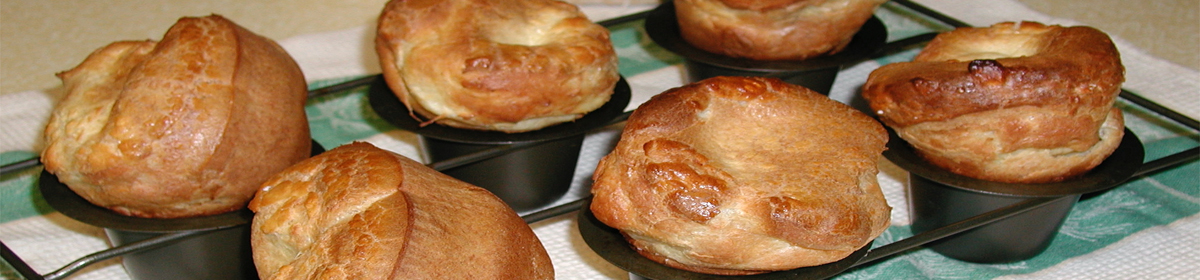
Honey Rye Bread

For many years Jerri has occasionally added some rye flour to her basic white bread. It makes a flavorful variation on an excellent white bread. When she adds enough rye flour, the bread takes on a grayish cast, and so we call it Graubrot, which translates literally from German as gray bread.

Graubrot is the popular name for Mischbrot (mixed bread) in Nordrhein-Westfalen. It describes a bread that is made with both white and rye flours. Bakers vary the proportions to create many different kinds of bread and may add spices such as caraway, anise, fennel or coriander.

I remember eating Graubrot nearly every day when I studied in Münster (in Nordrhein-Westfalen). A baker at the farmer’s market sold it by weight, like meat or cheese. If you asked for a pound, he would cut a piece off a loaf, weigh it, wrap it in paper and tell you how much you owed. The loaves were large and round, weighing four or five pounds. A half loaf weighed about a kilogram and would last me for a week.

The recipe below does not produce authentic Graubrot, but it is a delicious rye bread much different from the versions sold in most bakeries and supermarkets in the United States. It makes two medium-sized loaves and a pan of dinner rolls. The milk and honey give it a slightly sweet taste.

INGREDIENTS:

1/2 cup warm water (105 degrees or so)
1/4 tsp. sugar
2 1/4 tsp. (1 package) active dry yeast
2 cups milk
3 T butter
3 T honey
1 T salt
5 to 6 cups all-purpose flour
2 cups rye flour

PROCEDURE:

First dissolve the sugar and yeast in the warm water and set it aside to proof. Melt the butter and warm the milk to about 105º and pour them into a large bowl. Stir in the salt and honey, beat a cup of white flour and a cup of rye flour into the milk, then stir in the yeast. Add the second cup of rye flour and beat well.

Add more white flour one cup at a time, beating well after each addition. When you have added enough flour, the dough will become hard to stir and start to come away from the sides of the bowl. The exact amount of flour needed depends on the humidity, kind of flour and other factors. When it is sticky but stiff, it is ready to knead.

Let the dough rest for five minutes, then turn it out onto a well-floured surface. Knead the dough until it is smooth and silky and is no longer sticky, seven to eight minutes. Grease the bread bowl with butter or shortening. Make the dough into a ball and put it in the bowl, turning it to cover it with grease. Cover the bowl with a damp kitchen towel and put it in a warm, draft-free place. Let the dough rise until it has doubled in bulk.

Grease two 4 1/2 by 8 1/2-inch loaf pans and an 8 or 9-inch baking pan.

Turn the risen dough out onto a lightly floured surface and knead it five or six turns to remove the gas. Cut the dough into three equal pieces. Form two of the pieces into loaves and put them into the loaf pans. Roll the remaining dough into a half-inch thick rectangle and cut it into nine pieces. Shape each piece into a roll and put them into the baking pan.

Cover the pans and let the dough rise again until it nearly reaches the tops of the pans. You can tell when the bread has finished rising by gently poking the top of the loaf. If the dimple remains, the loaf is ready to go into the oven. If it puffs out in a few seconds, the bread is not yet ready.

When the dough is nearing the tops of the pans, preheat the oven to 375º. Bake the rolls about twenty minutes and the loaves thirty to forty minutes. I suggest that you turn the loaves out of the pans after thirty minutes to test for doneness. Loaves are done when they sound hollow when tapped on the bottom. If they do not sound hollow, bake them on the oven rack for an extra five or ten minutes. Remove them from the oven and place on a rack to cool.

For a shiny top crust, brush the loaves and rolls with an egg wash before putting them into the oven. Make the wash by beating a tablespoon of cold water into the white of an egg. Or you can brush the tops of the hot loaves with butter after you take them from the oven.

You can devour the rolls still warm from the oven with plenty of butter and jam, but the loaves slice better if you let them cool completely. This bread makes delicious toast too.

Potato Pancakes

Jerri likes potato pancakes and often chooses them when they are on the menu. I enjoy them once in a while, but I think that I had enough potato pancakes when I was growing up to last a lifetime. They are not high on my list of favorite foods.

When I queried my sisters about Mom’s potato pancakes, replies ranged from “Ugh, we had them all the time” to “You know Dad planted lots of potatoes, so we ate lots of potatoes. Better than just all boiled spuds.” The most useful reply included some information about how Mom made her potato pancakes: “I remember that she used eggs and flour to make them stick together. Pretty good.” Not exactly enthusiastic reviews, but they show a certain acceptance of a staple food that north country families ate when we were growing up.

Potato pancakes are very popular in Austria and Germany. When we ate them on our travels last fall, I tasted something besides salt and pepper mixed with the potatoes. Those pancakes were delicious so I started researching potato pancake recipes.

There are lots of them. Many start with mashed potatoes, others with grated potatoes. Some include garlic, green onions or parsley. A few call for cheese, flour and baking powder or even biscuit mix. One that especially intrigued me was a Chinese potato pancake made with sweet potato starch and flavored with a little black pepper and Chinese five spice powder.

Some time ago one of our nieces mentioned that her husband really likes potato pancakes but had not yet found a recipe he was satisfied with when he made them at home. She wondered if I had a good recipe, so I started looking in earnest.

I couldn’t find one that tastes exactly like the ones we ate in Germany, but I did find a recipe for German potato pancakes that listed nutmeg in the ingredients. Following Mom’s lead, I used both flour and egg to bind the grated potatoes together and added a little nutmeg for a more complex flavor. We like them this way and think that the nutmeg makes these potato pancakes especially good with applesauce.

Potato pancakes are a great side dish to eat with bratwurst, braised pork chops or ham steak. They are good with fried fish too. That’s why almost every good fish fry in Wisconsin offers potato pancakes with applesauce as a choice of potato on Friday nights.

INGREDIENTS:

2 or 3 medium russet potatoes (a generous pound)
1/2 medium onion (2 1/2 to 3 inch diameter)
3/4 tsp. salt
1/4 tsp. freshly ground black pepper
1/4 tsp. ground nutmeg (scant)
1 T all-purpose flour
1 large egg
Vegetable oil for frying

PROCEDURE:

Peel and grate the potatoes into a bowl. Transfer the grated potatoes to a clean tea towel and squeeze into a bowl as much liquid as you can from the potatoes. If there is any liquid in the bowl let it stand a few minutes while you grate the onion, then pour off the water and leave the potato starch in the bottom.

Return the potatoes to the bowl, add the onion, salt, pepper and nutmeg and sprinkle the flour over the potatoes. Mix everything together, then beat the egg until it is lemon yellow and stir it into the potatoes.

Pour about an eighth inch of oil into a heavy skillet and set it over medium heat. When the oil is hot, spoon quarter to half cup mounds of the mixture into the pan. Press the mounds to about a half inch thick with the spoon or a spatula.

Fry the cakes about four minutes, then turn them and continue frying until they are golden brown on each side. Unlike batter pancakes, you can safely turn potato pancakes a couple of times without making them tough.

Set them to drain on paper towels on a warm plate. Serve with applesauce on the side.

NOTES: Be sure to use russet potatoes because they have more starch than the thin-skinned varieties like Yukon Golds or red potatoes. Some potatoes have more liquid than others. The last time I made potato pancakes, the towel became damp but only a half dozen drops of liquid ended up the in bowl. On other occasions, I have poured off a half cup of water.

If you wonder whether the oil is hot enough, drop a little potato mixture into the pan. If it starts sizzling right away, your oil is ready. Spoon more mixture over the test potatoes. You may have a slightly darker spot on that pancake, but all will be well.

It is difficult to judge exactly how much salt you need. If you prefer foods with a definite taste of salt, use a little more.